About the Hosts
Welcome to the weird world of Mutant Hollow, where science and strangeness collide.
We’re your hosts—Amber, the curious mind behind the big “what ifs,” and our resident microbiologist; and Stacy, our ever-rational fearless creature doctor recording from her closet dungeon. Together, we dig deep into the underbelly of speculative science, cryptomicrobiology, folklore, and the biology behind the world’s most mysterious cryptids.
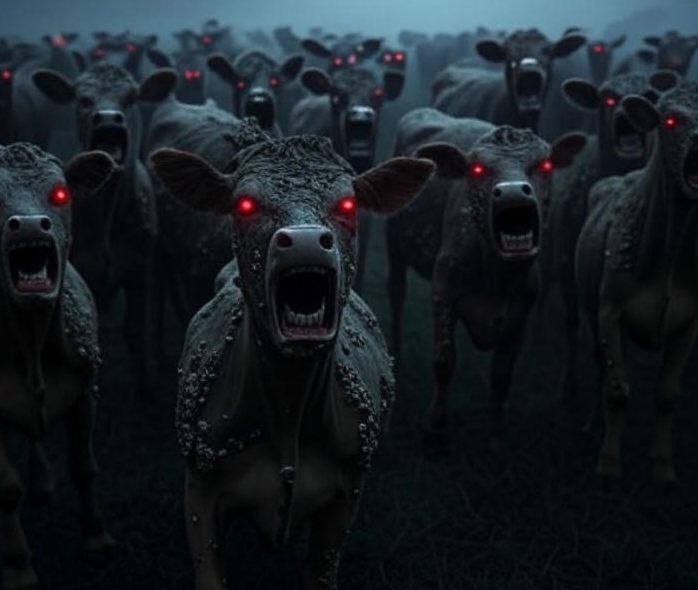
Each season of Mutant Hollow explores a different legendary creature through a scientific lens. This season, we’re sinking our teeth into zombies—examining real-world pathogens, strange mutations, and hypothetical mechanisms that could lead to brain-hungry behavior. But don’t get too comfortable—future seasons will take us beyond the grave to explore other cryptids, from fungal werewolves to radioactive lake monsters.
We blend myth, microbiology, and a healthy dose of chaos to ask: Will it zombie? Could it mutate? And if so… what would it look like under a microscope?
Whether you’re a skeptic, a believer, or just here for the gross science, you’re in the right place. Stick around—things are about to get weird.

 Mutant Hollow: Zombie Science & Cryptid Pathogens
Leave a comment