
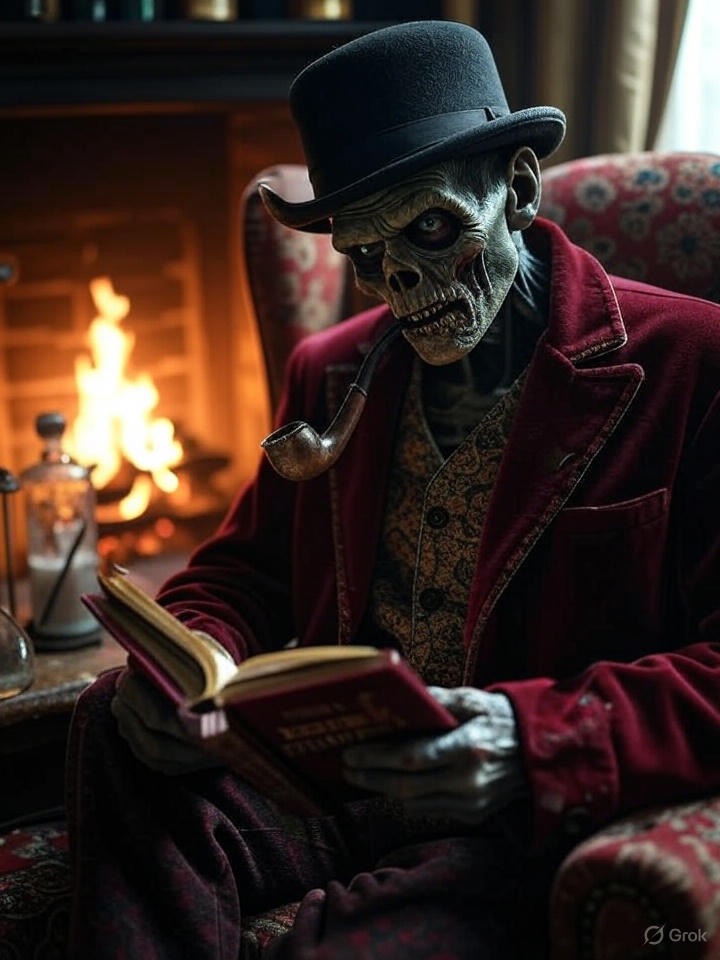
A rotating feature of zombie mythology from different cultures—Haitian zombies, Chinese Jiangshi, Scandinavian draugr, or Aztec legends.
It ties folklore into science and adds depth to the “zombie” concept across human history. Cryptid Culture, Undead Legends, and Folkrot. Before science, there was superstition. Now there’s both. Zombies didn’t start in Hollywood—they’ve haunted human culture for centuries. This section is a guided tour through undead folklore around the world, connecting mythological monsters with microbial explanations.
We start in Haiti, where the zombi was believed to be a reanimated person controlled by a sorcerer, or bokor. Wade Davis’s controversial ethnobotanical study, The Serpent and the Rainbow, suggests that “zombification” may have involved tetrodotoxin, a neurotoxin from pufferfish that induces paralysis and coma-like states—followed by reawakening, confused and damaged.
From there, we travel to China’s jiangshi, the “hopping vampire” believed to drain life force (qi) and move stiffly due to rigor mortis. In Norse sagas, the draugr rises from burial mounds with bloated, corpse-like appearances, guarding treasure with mindless rage. Each cultural legend tells us what people feared most—and sometimes, what their environment was trying to tell them through disease and decay.

 Mutant Hollow: Zombie Science & Cryptid Pathogens
Leave a comment